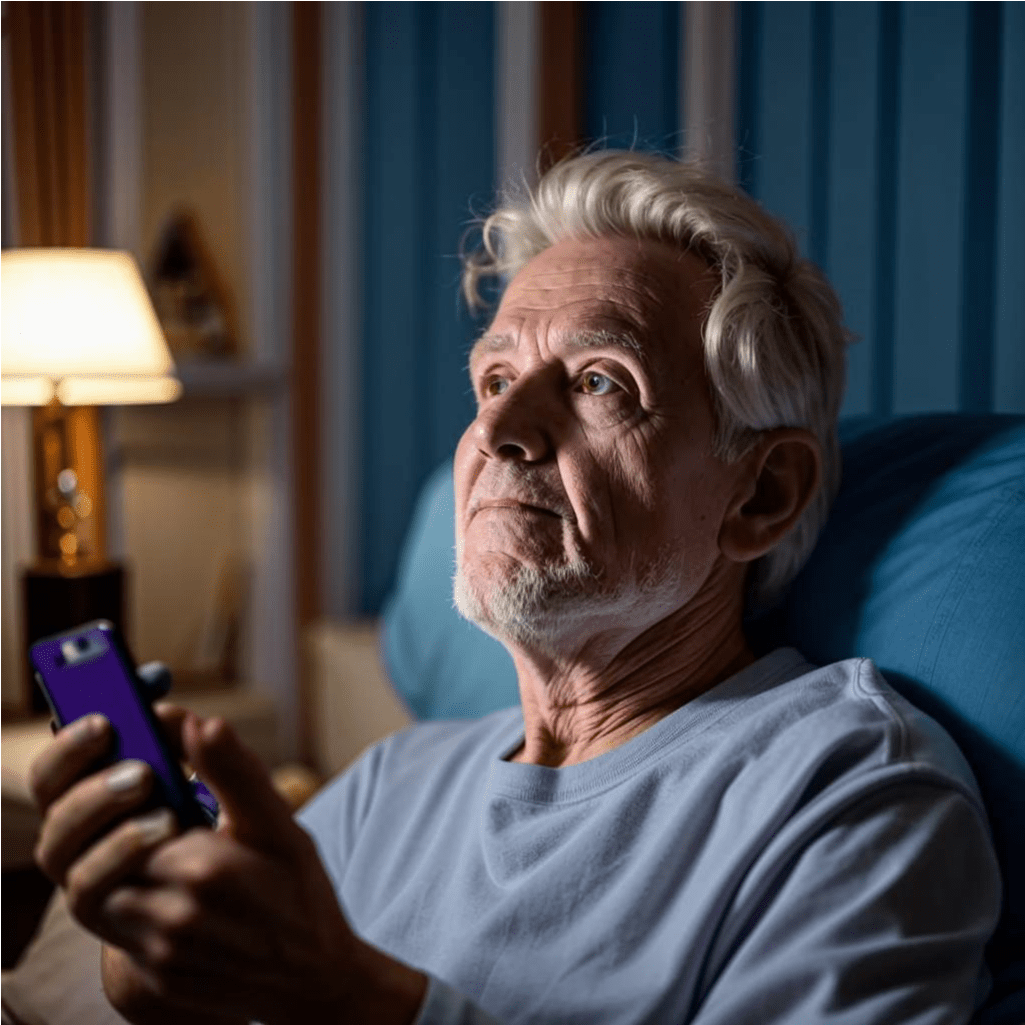
Caring for bedridden patients, whether in a home or clinical setting, requires constant vigilance and quick responses to their needs.
Advances in technology have made it possible to monitor patients more effectively, with listening devices emerging as a critical tool in enhancing patient safety and well-being.
The Challenge of Caring for Bedridden Patients
Bedridden patients often face a range of health challenges, including limited mobility, chronic illnesses, and a higher risk of emergencies such as falls, breathing difficulties, or sudden medical complications. For caregivers, staying attuned to these patients' needs 24/7 can be overwhelming, particularly in settings where round-the-clock observation is not feasible.
How Listening Devices Make a Difference
Modern listening devices are designed to provide unobtrusive yet effective monitoring, enabling caregivers to:
-
Detect Early Signs of Distress Subtle sounds such as changes in breathing, coughing, or groaning can indicate a patient’s discomfort or a medical emergency. High-sensitivity listening devices allow caregivers to detect these signals promptly, even from another room.
-
Enhance Communication Many bedridden patients may have difficulty speaking loudly or calling out for help. A strategically placed listening device ensures that even the faintest call for assistance is heard, reducing response times.
-
Support Caregiver Mobility Caregivers cannot always be in the same room as their patients. Listening devices enable them to monitor patients remotely, providing peace of mind while allowing them to attend to other tasks.
-
Reduce Hospital Readmissions By catching early warning signs of complications, listening devices can help prevent the need for emergency interventions, reducing the likelihood of hospital readmissions and improving patient outcomes.
Real-Life Example: A Life-Saving Intervention
Consider the case of a 68-year-old man recovering at home after a stroke. His caregiver placed a high-sensitivity listening device in his room. One night, the caregiver was alerted to irregular breathing sounds, indicating the onset of respiratory distress. Immediate medical intervention was arranged, preventing a potentially fatal outcome. This scenario highlights how such technology can bridge the gap between human caregiving and constant vigilance.
Features of Effective Listening Devices
When selecting a listening device for patient care, consider the following features:
-
High Sensitivity: Capable of picking up faint sounds such as whispering or labored breathing.
-
Two-Way Communication: Allows caregivers to reassure or guide patients without entering the room.
-
Portability: Easy to set up and reposition as needed.
-
Battery Life: Long-lasting power ensures uninterrupted operation.
-
Discreet Design: Maintains patient comfort and dignity while monitoring effectively.
Ethical and Legal Considerations
Using listening devices in caregiving settings must comply with ethical standards and legal requirements. Caregivers should:
-
Inform patients and their families about the use of monitoring devices.
-
Obtain consent where required.
-
Ensure that devices are used solely for enhancing patient safety and care.
Conclusion
Listening devices have transformed the way we care for bedridden patients, providing an extra layer of safety and responsiveness that can save lives. By incorporating this technology into caregiving routines, families and healthcare professionals can ensure better outcomes and greater peace of mind.
If you're considering implementing listening devices in a caregiving setting, consult with professionals to choose the right technology tailored to your needs. These devices are not just tools—they are lifelines for those who need constant care.
We offer you our eavesdropping devices - https://spy-il.com/shop, which can help you in everyday life without harming your relationships with the law and people.