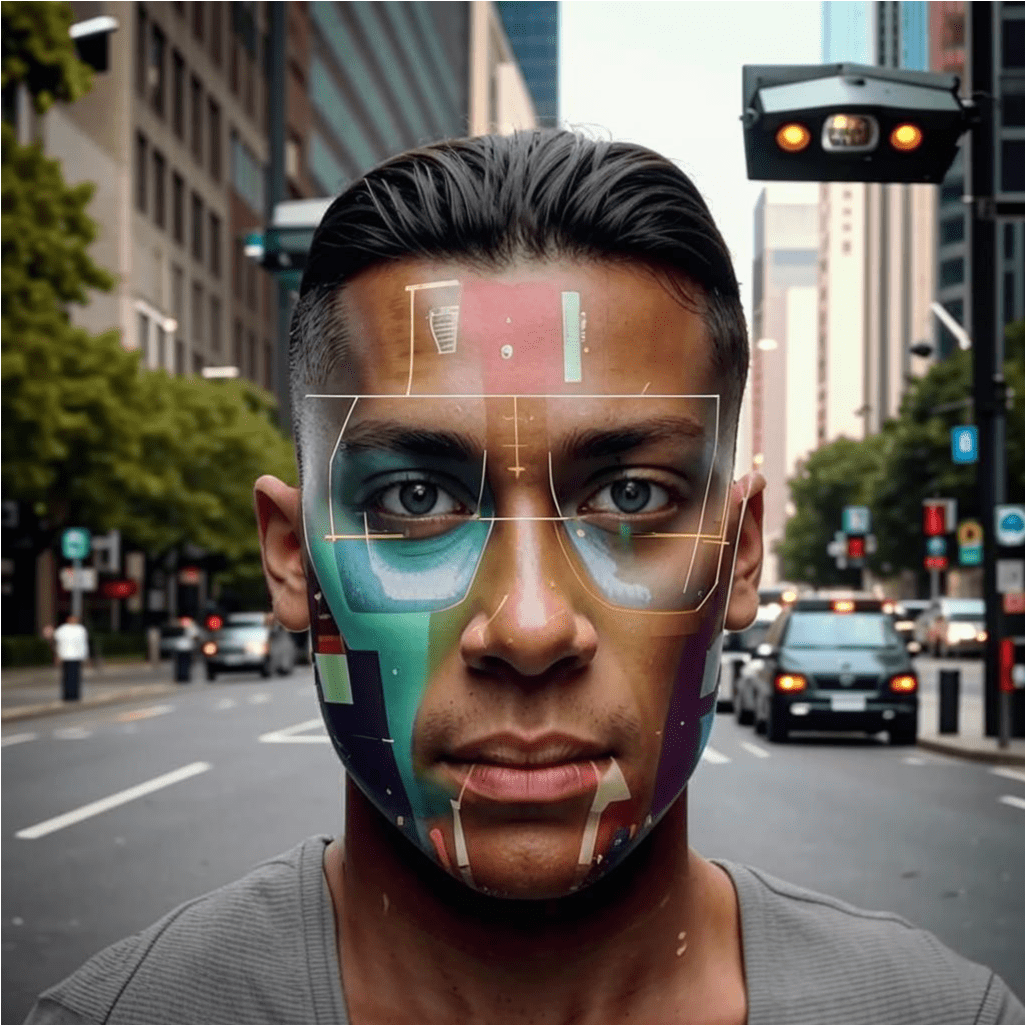
In the bustling streets, shopping malls, parks, and airports of the United States, advanced surveillance devices work silently in the background to maintain safety and security.
From state-of-the-art cameras to AI-driven systems, these devices monitor public spaces with incredible precision and efficiency. But what exactly are these tools, and how do they contribute to the modern surveillance landscape?
Key Surveillance Devices Used in Public Spaces
1. CCTV Cameras with AI Analytics
Modern closed-circuit television (CCTV) cameras don’t just capture footage—they analyze it. Equipped with AI, these cameras can detect suspicious activities, identify faces, and even track movements across large areas. You’ll find them at traffic intersections, airports, and major public venues.
2. Facial Recognition Systems
Facial recognition has transformed public security. Deployed at airports, stadiums, and high-security zones, these systems match faces against databases to identify individuals of interest or verify identities for secure access.
3. License Plate Readers (LPRs)
Mounted on patrol cars or installed at toll booths and entry points, LPRs capture and analyze vehicle license plates. They’re vital for tracking stolen vehicles, toll evasion, or monitoring traffic patterns.
4. Audio Surveillance Systems
Strategically placed microphones in urban areas can detect specific sounds, such as gunshots or screams, triggering immediate responses from law enforcement. These systems are often used in conjunction with camera networks.
5. Drones
Unmanned aerial vehicles (drones) equipped with cameras and sensors provide aerial surveillance, especially during large public events or in hard-to-reach areas.
6. Thermal Imaging Cameras
Used for crowd management and emergency situations, thermal cameras can detect heat signatures, aiding in locating individuals during rescues or identifying potential threats in large gatherings.
7. IoT Sensors
The Internet of Things (IoT) connects sensors for environmental monitoring. These devices measure air quality, detect hazardous substances, and even monitor structural integrity in public infrastructures like bridges.
Benefits and Challenges
Benefits:
- Enhanced public safety and crime prevention.
- Faster emergency responses through real-time monitoring.
- Improved traffic management and urban planning.
Challenges:
- Privacy concerns due to extensive monitoring.
- Ethical considerations around data collection and use.
- Risk of misuse or hacking of surveillance systems.
The Future of Public Surveillance
As technology advances, public surveillance systems are becoming smarter and more integrated. AI will continue to play a significant role, enabling predictive policing and personalized safety measures. However, balancing security with privacy will remain a critical challenge for policymakers and technologists alike.
We offer you our eavesdropping devices - https://spy-il.com/shop, which can help you in everyday life without harming your relationships with the law and people.