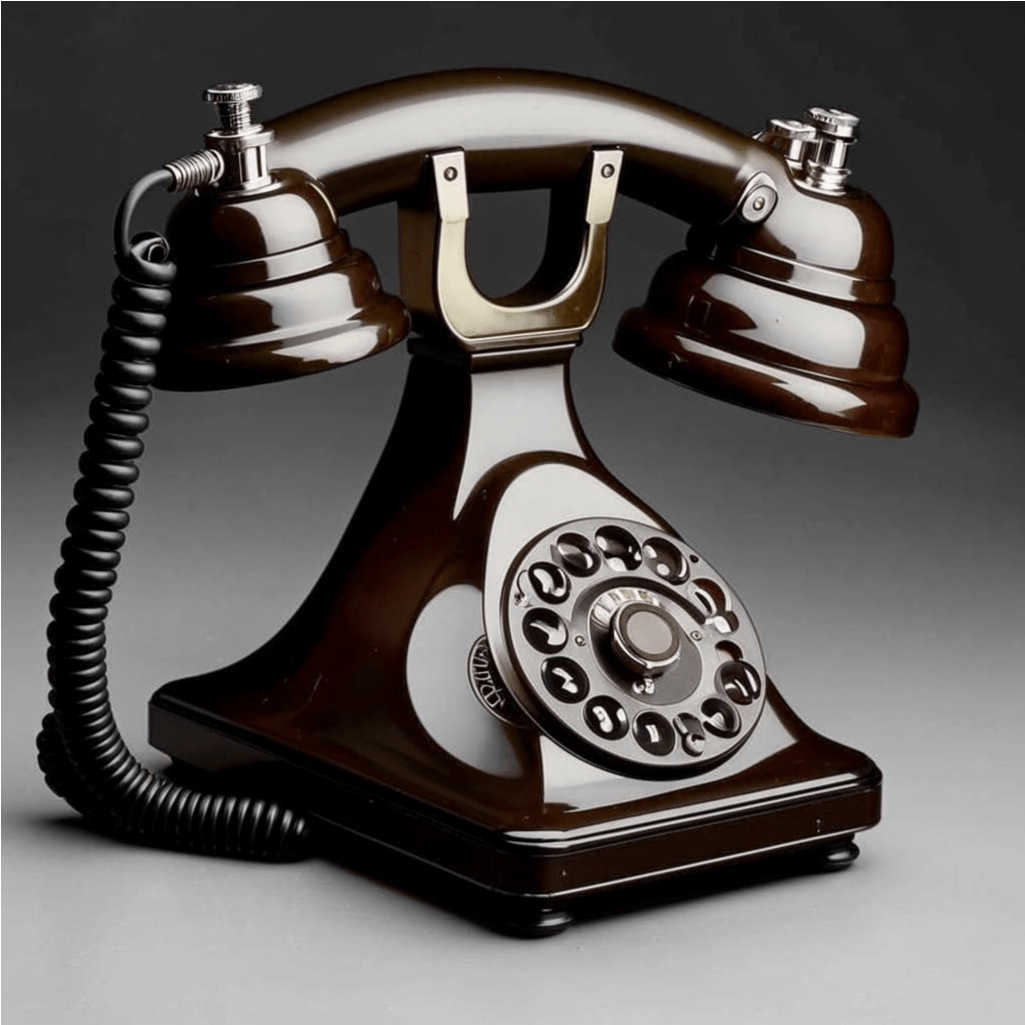
The creation of eavesdropping devices is a field that raises many questions and debates.
The creation of eavesdropping devices is a field that raises many questions and debates. Who is the first author of such devices? The answer to this question is not as simple as it seems at first glance.
One of the earliest devices that can be considered a precursor to modern eavesdropping devices is the "telephone ear apparatus" (or "telephone ear receiver"), which was invented in 1876 by Alexander Graham Bell. This device allowed sounds to be heard over a distance, laying the foundation for the development of modern communication tools.
However, when it comes to eavesdropping devices in the modern sense, their history begins much later. In the 1930s, the USSR started developing the first devices for covert listening. These devices were primitive and inefficient compared to modern technologies, but they laid the groundwork for further research.
In the 1940s, the United States began actively developing eavesdropping devices for military and intelligence purposes. This era saw significant advancements in the field, leading to the creation of more sophisticated and effective listening tools.
During the Cold War, the race for technological superiority led to the development of highly advanced eavesdropping devices. Both the United States and the Soviet Union invested heavily in research and development to gain an edge in intelligence gathering. This period saw the introduction of miniature microphones, wiretaps, and other covert listening devices that could be easily concealed.
In the 1960s and 1970s, the technology continued to evolve with the advent of electronic surveillance. Devices became smaller, more efficient, and capable of transmitting data over longer distances. The use of satellites and other advanced technologies allowed for global surveillance capabilities.
The 1980s and 1990s saw further advancements with the rise of digital technology. Eavesdropping devices became more sophisticated, incorporating digital recording and transmission capabilities. This era also saw the development of software-based surveillance tools that could intercept and analyze electronic communications.
In the modern era, eavesdropping devices have become even more advanced with the integration of artificial intelligence and big data analytics. These technologies allow for real-time monitoring and analysis of vast amounts of data, providing unprecedented surveillance capabilities.
Despite the advancements in technology, the use of eavesdropping devices remains a contentious issue. The balance between security and privacy continues to be a topic of debate, with concerns about the potential for abuse and the impact on individual freedoms.
In conclusion, the development of eavesdropping devices has come a long way since the early days of the telephone ear apparatus. From primitive mechanical devices to sophisticated digital tools, the evolution of eavesdropping technology reflects the ongoing quest for information and the challenges of balancing security and privacy in an increasingly connected world.
We offer you our eavesdropping devices - https://spy-il.com/shop, which can help you in everyday life without harming your relationships with the law and people.