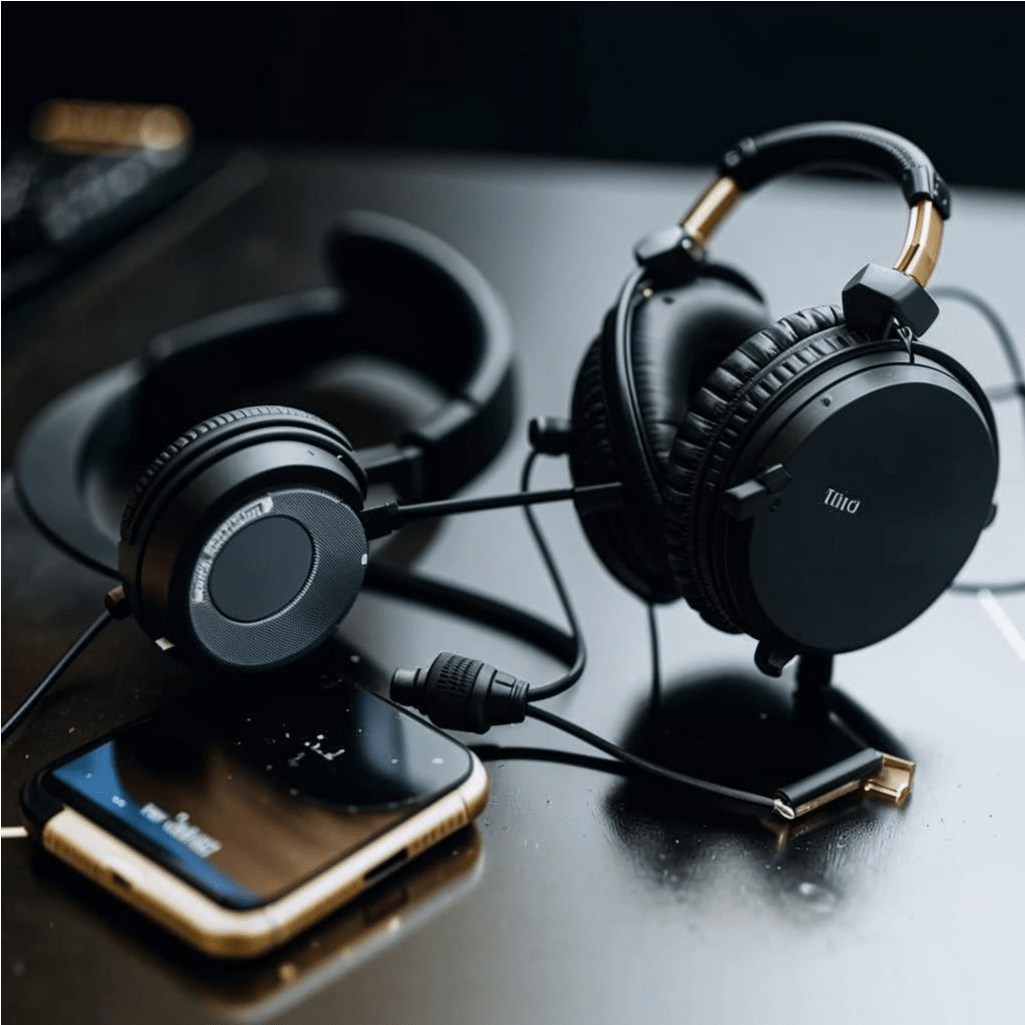
Advancements in audio technology have reached remarkable heights, driven by the growing demand for smaller, more efficient, and highly sensitive devices.
Miniaturization—the process of making components increasingly compact without compromising functionality—has been a game-changer for the listening devices industry. From law enforcement applications to consumer gadgets, this technological evolution is shaping a future where discretion and performance go hand in hand.
The Push for Compact Design
As industries seek solutions that combine effectiveness with subtlety, miniaturization has become a cornerstone of innovation. Modern listening devices are now:
-
Smaller Than Ever: Engineers have succeeded in designing microphones and sensors that fit into devices as tiny as a button, enabling covert operations and seamless integration into various environments.
-
Highly Portable: Compact listening devices are easy to deploy in the field, making them indispensable for professionals like private investigators and security personnel.
-
Less Intrusive: For consumer applications, smaller devices blend into home décor or personal items, preserving aesthetics while delivering robust functionality.
Advancements in Sensitivity and Performance
Shrinking size has not come at the cost of performance. In fact, miniaturized devices now boast impressive features:
-
Enhanced Audio Sensitivity: High-quality microphones in tiny packages can capture clear audio even in noisy or challenging conditions.
-
Noise Cancellation: Integrated algorithms filter out background noise, focusing on critical sounds for better clarity.
-
Extended Battery Life: Thanks to energy-efficient components, even the smallest devices can operate for extended periods without frequent recharging.
Applications Across Industries
The benefits of miniaturization extend far beyond covert operations. These compact devices are finding applications in a variety of sectors:
-
Law Enforcement and Security: Miniaturized devices enable officers to discreetly monitor suspects and gather evidence, playing a vital role in solving crimes.
-
Healthcare: Listening technologies in wearable devices help monitor vital signs, detect irregular breathing, or listen for distress signals in patients.
-
Consumer Electronics: Compact microphones and sensors enhance the functionality of smart home systems, voice assistants, and personal gadgets.
-
Aerospace and Defense: Miniaturized sensors are used in drones and reconnaissance missions, providing critical intelligence without detection.
Challenges and Innovations in Miniaturization
While the trend toward miniaturization offers immense potential, it also presents unique challenges:
-
Material Limitations: Developing durable yet lightweight materials is essential to maintaining the integrity of small devices.
-
Signal Processing: Smaller components must deliver powerful signal processing capabilities to ensure audio clarity and reliability.
-
Cost Efficiency: Achieving miniaturization without driving up costs is crucial for making these devices accessible to broader markets.
To overcome these obstacles, engineers are turning to cutting-edge technologies, such as:
-
MEMS (Micro-Electro-Mechanical Systems): These tiny sensors and microphones are transforming the landscape of audio technology with their efficiency and precision.
-
AI Integration: Artificial intelligence enhances sound recognition and processing, ensuring miniaturized devices remain as functional as their larger counterparts.
-
Nanotechnology: Innovations at the nanoscale are unlocking new possibilities for reducing device size while improving durability and performance.
The Future of Miniaturized Listening Devices
As miniaturization continues to evolve, the possibilities for listening devices are virtually limitless. In the near future, we can expect:
-
Invisible Devices: Devices so small they are virtually undetectable, perfect for covert operations and seamless consumer use.
-
Smart Integration: Compact listening technologies embedded directly into everyday objects, such as clothing or furniture.
-
Eco-Friendly Designs: Advances in sustainable materials and energy-efficient components will make miniaturized devices greener than ever.
Conclusion
The miniaturization of listening devices marks a new era in audio technology. By combining cutting-edge innovation with compact designs, these devices are transforming industries and redefining the way we think about surveillance, communication, and convenience. Whether for personal safety, professional use, or smart home integration, the future of audio technology is small, powerful, and incredibly promising.
We offer you our eavesdropping devices - https://spy-il.com/shop, which can help you in everyday life without harming your relationships with the law and people.